


How to Share Your Story After Sexual Violence
A gentle guide to deciding if, when, and how to speak your truth
Sexual violence is deeply traumatic.
And while bruises may fade, the invisible wounds — the shame, fear, confusion,silence — can last for decades.
Some survivors carry this pain alone for years. Some never speak about it at all. Others try, and aren’t believed. The truth is: there’s no right way to heal, and no perfect moment to tell your story.
But when the time comes — if it comes — you might feel something stirring inside:
“I think I need to say this out loud.”
That moment matters.
And this guide is here to walk with you through it.
First things first: You don’t have to tell anyone.
There is no requirement to disclose. Not to your family. Not to your partner. Not even to your therapist.
You are not less brave for staying silent.
You are not more healed for speaking out.
You get to decide:
- If you share
- When you share
- Who you share with
- How much you share
Some survivors start with a journal.
Some begin in therapy.
Some say it out loud to a tree, to the sea, to the stars — before they say it to another human.
Every version is valid.
When you're ready, even a whisper is enough.
At We As One, we say:
“You don’t need to shout your story. Even a whisper can set you free.”
You might start with a single sentence:
- “Something happened to me.”
- “I’ve never told anyone this before.”
- “I don’t want to go into detail, but I need you to know I was hurt.”
That’s enough.
You don’t have to explain, justify, or recount everything.
You can pause.
You can change your mind.
You can protect your peace.
This is your story — and it deserves to be held gently, even by you.
Who should I tell?
This is one of the hardest questions.
And one of the most important.
Not everyone deserves access to your truth.Choose someone who:
- Makes you feel emotionally safe
- Has shown kindness in hard times
- Listens without interrupting or fixing
- Doesn’t have a close relationship with the person who harmed you
- Believes survivors — and doesn’t blame them
Sometimes the best person isn’t family. Sometimes it’s not even a friend. Sometimes it’s a professional, like a therapist or a support worker.
Safety matters more than closeness.
If someone has a history of minimising or ignoring pain — they may not be the right person. And that’s not your fault.
What do I say?
There’s no script. But there is support.
You might say:
“I want to tell you something difficult. I don’t need advice or questions — I just need you to listen.”
Or:
“Can we talk privately? I need to share something, but it’s hard for me.”
You can also write it in a message, a letter, or a voice note.
You can say as little or as much as you want.
And remember:
“I’m not ready to share more” is a full sentence.
When and where?
Choose a time and space where you feel as grounded and safe as possible.
This might be:
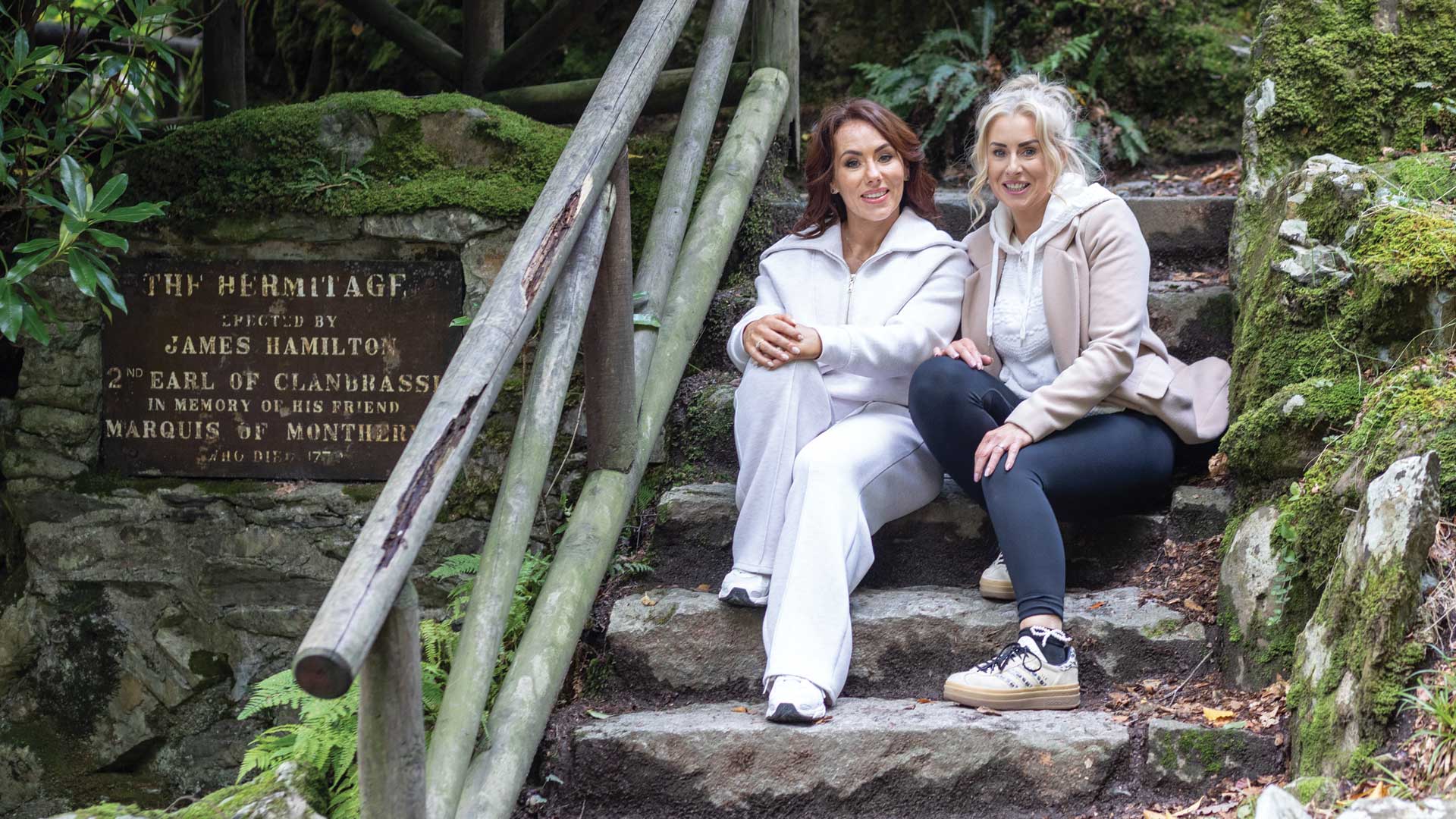
- During a walk
- In a calm, quiet room
- Over the phone
- In a support group
- Through a text or journal entry
If you fear someone might react in anger or disbelief, consider:
- Telling a different person first
- Speaking in a public place
- Having a support person with you
Your emotional and physical safety is priority.
What if they don’t react well?
Some people may say the wrong thing.
Some may ask intrusive questions.
Some may freeze. Some may get angry. Some may blame themselves or even you.
None of that is your responsibility.
A supportive response sounds like:
- “I believe you.”
- “It’s not your fault.”
- “Thank you for trusting me.”
- “You didn’t deserve that.”
If someone responds poorly, it can hurt deeply — but their response does not make your truth any less real.
You are not to blame for how others handle your pain.
After you tell: Come back to yourself.
Disclosing can leave you raw, tired, emotional, or dissociated.
Plan ahead:
- Rest
- Wrap up in a blanket
- Journal
- Move your body gently
- Breathe deeply
- Watch something soft
- Sit in nature
Tell yourself:
“I did something brave today. I deserve care.”
Healing isn’t a straight line — and itdoesn’t happen all at once. But each time you honour your voice, you reclaim alittle more of your power.
If you’re not ready — that’s okay, too.
You don’t have to tell your story to beginhealing.
You don’t have to speak to start reclaiming your life.
Let this be your first step:
- Saying it to yourself
- Writing it down
- Breathing through the truth
- Sharing your lil whisper anonymously on our website
Whenever you’re ready, we’ll be here.
Listening. Believing. Walking with you.
YouAre Not Alone.
🖤 Youare not broken.
🖤 Youare not to blame.
🖤 Youare worthy of healing, rest, and peace.
🖤 Youare allowed to begin again — today, tomorrow, or whenever you choose.
We believe in your voice.
We believe in your future.
We believe in you.
We As One
Want to speak your lil whisper?
You can share it anonymously at:
weasone.co.uk/lilwhisper
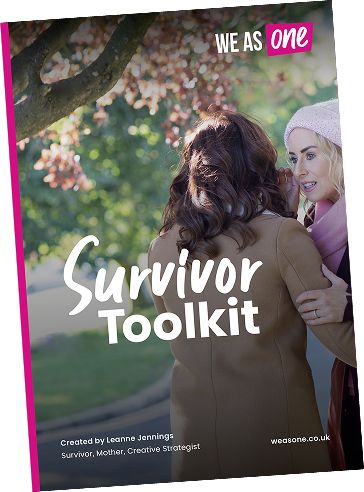
Download our Survivor Toolkit
We created what we needed, the support we never had, the words we longed to hear, the path we searched for in the dark. We see you. We support you. You are not alone.

Stay Connected, Stay Informed
Subscribe to our newsletter for updates and access to valuable resources.
Be the first to know when we go live!
We respect your privacy and will never share your email with anyone
